

Moving is an exciting milestone. It can also be stressful, expensive, and a target for bad actors. Most moving companies are honest professionals, but moving scams still happen, especially to customers who are short on time or new to the process.
From lowball quotes that skyrocket on moving day to companies that disappear with deposits or belongings, moving scams can turn an already stressful experience into a nightmare. In one 2023 enforcement sweep alone, the Federal Motor Carrier Safety Administration logged 380 household goods complaints and 128 cases of movers holding customers’ belongings hostage.
The good news? With the right knowledge and preparation, you can protect yourself.
Here’s a practical guide to help you avoid moving scams and choose a reputable moving company in Grand Rapids and across West Michigan.
What Moving Scams Actually Look Like
Moving fraud tends to follow a few predictable patterns. Knowing the patterns makes the red flags easier to spot.
- Bait-and-switch estimates. A scammer wins the job with an unrealistically low phone quote, then doubles or triples the bill after your belongings are on the truck.
- Hostage shipments. The mover loads everything, then refuses to unload until you pay inflated charges. FMCSA can fine companies up to $10,000 per day for this.
- Phantom movers. A fake company collects a cash deposit, schedules a pickup, and disappears with your money or your belongings.
- Broker confusion. A moving broker is a middleman, not a mover. If you book with a broker without realizing it, your actual mover could be anyone on their list.
Take Your Time and Do Your Research
If your schedule allows, don’t rush the decision. Scammers often rely on urgency and pressure to push customers into fast commitments.
Be cautious of:
- Quotes that seem too good to be true
- Movers who won’t answer questions clearly
- Companies that pressure you to book immediately
Reputable movers welcome questions and provide transparent explanations. Take time to compare companies, review estimates, and read the fine print.
Read Reviews and Look for Patterns
Just like choosing a doctor or contractor, reviews matter when selecting movers.
Check multiple sources such as:
- Google Reviews
- Yelp
- Better Business Bureau
- American Moving & Storage Association (AMSA)
One bad review can happen. Patterns of complaints about hidden fees, missing items, or hostage shipments are major red flags.

Verify Credentials and Licensing
Legitimate moving companies are properly licensed and insured.
Important checks include:
- U.S. DOT registration for interstate movers
- Proof of insurance
- Clear business address and contact information
While AMSA membership is optional, it’s a strong indicator of professionalism and accountability. These organizations track complaints and hold movers to industry standards.
Michigan-Specific Licensing
For any move that stays inside Michigan, the Michigan Public Service Commission (MPSC) and the Michigan State Police Commercial Vehicle Enforcement Division (CVED) regulate household goods carriers. A Michigan mover should hold an Intrastate Household Goods Carrier Certificate issued by the MSP CVED Regulatory Section.
A few Michigan rules worth knowing:
- State authority numbers must appear on both sides of every truck in letters at least 1.5 inches high.
- Basic liability coverage is 60 cents per pound per article. A damaged 50-pound TV pays out $30 under basic coverage, so ask about full-value protection for anything valuable.
- Moves over 40 miles inside Michigan are tariff-regulated, with rates filed with the state.
- On a non-binding estimate, a Michigan mover can collect up to 110 percent at delivery. The rest is due within 30 days.
Get a Detailed, Accurate Moving Quote
Scams often begin with vague or overly cheap estimates.
A trustworthy quote should:
- Be based on a detailed inventory of your belongings
- Involve an in-home or virtual walkthrough
- Clearly explain what’s included (labor, packing, mileage, materials)
Phone-only estimates are often inaccurate and can lead to surprise charges later. Transparent movers explain the difference between binding and non-binding estimates upfront.
Binding vs. Non-Binding vs. Binding Not-to-Exceed
Three estimate types exist, and knowing the difference stops most bait-and-switch scams:
- Binding estimate. Locked price. You pay what the quote says, even if the load weighs more than expected.
- Non-binding estimate. A best guess based on estimated weight and services. The final price can climb with actual weight.
- Binding not-to-exceed estimate. The price can drop if the load weighs less, but it cannot go up. This is the most consumer-friendly option.
For more on getting an accurate quote, see why you need an in-home moving estimate.
Request Everything in Writing
Never rely solely on verbal agreements.
Always ask for:
- A written estimate
- A copy of the contract
- Terms and conditions in writing
- The bill of lading before loading
- FMCSA’s Your Rights and Responsibilities When You Move booklet and Ready to Move brochure (required by federal law for interstate moves)
Review all documents carefully and don’t hesitate to ask questions. Legitimate movers want you to understand exactly what you’re paying for, and they never ask you to sign blank or incomplete paperwork.
Watch Out for Unmarked or Rental Trucks
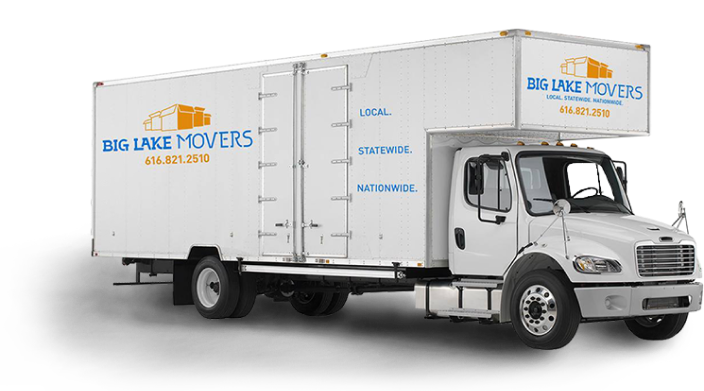
Professional movers arrive in clearly marked company vehicles.
If movers show up in:
- Unmarked trucks
- Rental vehicles
- Vehicles without company branding
…this is a serious warning sign. Anyone can rent a truck, and this puts your belongings at risk. If something feels off, don’t be afraid to walk away and report the company.
Verify a Moving Company in 5 Minutes
Here’s the fastest way to separate real from rogue before you spend a dollar.
- Check the USDOT number at safer.fmcsa.dot.gov. The legal name, address, and complaint history should match what the mover told you.
- Check Michigan intrastate authority. Confirm the MPSC or CVED number for any in-state mover. Real companies list it on their trucks and website.
- Search the company name plus “complaints” or “scam.” Google reviews, Reddit, and BBB listings surface patterns a brochure never will.
- Call the office and listen. A generic greeting like “movers” or “moving company” is a warning. A real receptionist answering with the business name is a good sign.
- Ask for proof of insurance. Licensed Michigan movers carry Form E liability and Form H cargo insurance. A real company emails a certificate within minutes.
Five minutes. Less than most people spend reading the first estimate.
Trust Your Instincts
Your gut matters. If a mover seems evasive, pushy, or unprofessional, listen to that feeling.
You should feel:
- Comfortable asking questions
- Confident in their answers
- Respected throughout the process
Trustworthy movers prioritize customer peace of mind, not pressure tactics.

What to Do If You Think You’ve Been Scammed
Stop paying. Document everything.
- Save every text, email, contract, receipt, and voicemail.
- Photograph each room and every high-value item before the truck loads.
- File a complaint with the FMCSA National Consumer Complaint Database at nccdb.fmcsa.dot.gov, or call the fraud line at 1-888-368-7238.
- For in-state Michigan disputes, file with the MSP CVED Regulatory Section and the Michigan Attorney General Consumer Protection Division.
- If your belongings are being held hostage, call local police and ask for a report. The BBB recommends this even when officers treat it as a civil matter.
- Dispute the charge with your credit card issuer if you paid by card. Cash and wire transfers have no recovery path.
Holding household goods hostage is a federal violation. FMCSA can revoke a mover’s operating authority and refer serious cases to the Department of Justice.
Why Choose Big Lake Movers
At Big Lake Movers, we believe transparency and trust are essential to a successful move. As a licensed and insured Grand Rapids moving company, we proudly serve customers throughout West Michigan with honest pricing and professional service.
We offer:
Whether you’re moving your home or business, our experienced team provides detailed quotes, clear communication, and dependable service from start to finish.
Contact Big Lake Movers today to schedule your free quote and move with confidence.
Frequently Asked Questions
How common are moving scams?
Moving scams are less common than legitimate moves, but they do happen, especially during peak moving seasons. In one 2023 FMCSA enforcement sweep, the agency logged 380 household goods complaints and 128 hostage-load cases. Awareness and preparation significantly reduce your risk.
What is the biggest red flag when hiring movers?
Extremely low estimates and requests for large cash deposits upfront are two of the biggest warning signs. A firm price quoted over the phone without seeing your belongings is another.
Should I pay a deposit to a moving company?
Small card deposits to hold a date are normal, typically 10 to 20 percent. Reputable movers don’t usually require large upfront payments. Be cautious if a mover demands full payment or a large cash deposit before the move.
How can I verify a moving company is legitimate?
Check licensing, insurance, reviews, and business history. For interstate moves, confirm the USDOT number at safer.fmcsa.dot.gov. For Michigan intrastate moves, confirm the MPSC or MSP CVED intrastate authority number. A professional mover will gladly provide this information.
What should I do if I suspect a moving scam?
Stop communication, do not sign contracts, and report the company to the BBB, the FMCSA National Consumer Complaint Database, or the Michigan Attorney General Consumer Protection Division. If your belongings are being held hostage, involve local police.
Are local movers safer than out-of-state companies?
Local movers with established reputations, such as West Michigan movers, are often easier to verify and hold accountable than unknown out-of-state operators or anonymous brokers.
What documents should a mover give me before an interstate move?
Federal law requires interstate movers to provide you with FMCSA’s Your Rights and Responsibilities When You Move booklet and Ready to Move brochure. Skipping either document is a violation of federal regulations.