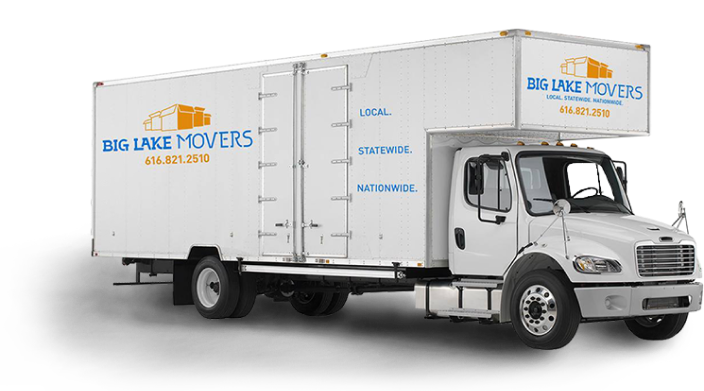

An in-home moving estimate is a walkthrough where a mover sees your belongings and prices the job in writing. It’s the best way to stay on budget.
We know you have a million things to do before moving day. Still, a representative from your local moving company needs to look inside your home. During the in-home survey, you point out the furniture you want moved. The representative then works out how much labor and time the job needs. Keep reading to learn the benefits of getting an in-home moving estimate.
The short answer: An in-home estimate replaces guesswork with a counted inventory. Federal rules say interstate movers must see your goods before they quote. They can do it in person or by video, unless you waive it in writing. Michigan law also says movers must give you a free written estimate.
What Happens During an In-Home Moving Estimate
The visit follows a simple order. Here’s what to expect:
- Room-by-room walkthrough. You walk every room together, including the basement, garage, attic, and shed.
- Inventory. The estimator lists your furniture and counts the boxes you’ll need.
- Specialty items. They note heavy or fragile pieces, like a piano, safe, or glass cabinet.
- Access check. They look at stairs, doorways, hallways, driveway length, and truck parking.
- New home details. They ask about access at your destination and the distance between addresses.
- Written estimate. You get a quote that lists your items, services, and pricing.
Get an Accurate Moving Estimate
If you live in a studio or one-bedroom apartment, a video walkthrough may be enough. A phone estimate built only on a room-by-room list is riskier. Be wary of moving companies that only give estimates over the phone. The federal consumer site lists sight-unseen phone quotes as a red flag for moving fraud.
The more rooms you have, the harder it is to build an accurate inventory without a visit.
To give accurate moving quotes, companies need to know:
- Every box and piece of furniture that needs to move
- Access challenges at your current home, like stairs or narrow halls
- Access challenges at your new home
- The distance between your old and new address
- Extra services, like professional packing or piano moving
During your estimate, you walk the representative through each room. You point out what needs to go. Heavy furniture needs extra hands, so the house movers must know where it sits. For example, your moving crew needs enough workers to carry a sectional out of the basement.
For an accurate estimate, tell your apartment movers if they’ll climb two flights of stairs. Stairs and tight corners make the job harder, and that affects the cost of moving services.
Your building may let you use a service elevator on moving day. Ask management early, since many buildings want you to book it.
How Local Hourly Moves Are Estimated
Most local moves in West Michigan are priced by the hour, not by weight. For an hourly move, your estimate predicts two numbers: crew size and hours on the job.
At Big Lake Movers, the clock starts when the crew arrives at your door. A single travel fee covers the truck, with no mileage or fuel surcharge. [CONFIRM: travel fee is still $60 for all local moves]
This is why the walkthrough matters so much for local moves. A missed garage full of tools can stretch a four-hour job. If the estimator sees it first, we can send three movers instead of two. You can compare crew sizes on our moving rates page.
How Long-Distance Moves Are Estimated
Out-of-state moves are usually priced by weight plus services. Some movers quote in cubic feet and switch to weight later. If they do, federal rules say they must explain the math in writing. Ask to see it before you sign.
In-Home vs Virtual vs Phone Moving Estimates
Federal rules count both on-site and virtual walkthroughs as a physical survey. For a virtual one, the mover must see your goods clearly through live or pre-recorded video. Each estimate type fits a different move:
- In-home estimate: Best for homes with three or more bedrooms, full basements, antiques, or a piano. The estimator can open closets and measure doorways.
- Phone or online form: Fine for a rough budget. Don’t book a mover on a sight-unseen quote alone.
Binding vs Non-Binding Moving Estimates
Your written estimate will be binding or non-binding. Know which one you’re signing.
- Binding estimate: It locks in the total cost for the items and services listed. A mover may charge a fee to write one.
- Non-binding estimate: It’s the mover’s best guess, and it must be free. Your final bill depends on actual weight or time.
A non-binding estimate still protects you. On interstate moves, you pay no more than 110% of the estimate at delivery. The mover must bill any balance after 30 days.
Michigan applies the same 110% cap to moves within the state. Under Michigan’s Motor Carrier Act, the mover must release your goods and defer the rest for 30 days.
Here’s the catch. A binding estimate only covers what’s on the list. Add items on moving day, and the mover can write a new estimate before loading. The price cannot change after your goods are on the truck. A complete walkthrough keeps your quote from moving later.
How to Prepare for Your In-Home Moving Estimate
A little prep makes the quote more accurate. Before the estimator arrives:
- Decide what stays behind. Sell, donate, or clear out junk before moving so you don’t pay to move it.
- Show everything. Include storage units, sheds, and items at a relative’s house.
- Flag hard items. Point out pianos, safes, pool tables, and large TVs. Our guide to the toughest things to move covers what to mention.
- Know your new home’s access. Note the floor, stairs, elevator rules, and parking. See our tips for moving into a second-story building.
- Don’t pack early. Estimators judge box counts from what’s in your closets and cabinets.
- Keep your list the same. Give every mover the same inventory so you compare equal quotes.
- Be there yourself. You know what goes and what stays better than anyone.
Questions to Ask During Your In-Home Estimate
An in-home survey is a great time to ask what to expect on moving day. The representative has seen hundreds of homes and knows the moving process.
They can also explain factors that affect cost, like how many furniture movers you’ll need to meet your deadline.
Every mover you hire should be licensed and insured. In Michigan, movers need a permit from the Michigan State Police to work in the state. For a move out of state, your mover also needs a USDOT number. You can look it up on the federal Protect Your Move site.
Ask these questions before you sign:
- Is this estimate binding or non-binding?
- What does the price include, and what costs extra?
- Do you charge more for stairs, long carries, or elevator waits?
- How many movers will you send, and how many hours do you expect?
- What valuation coverage applies if something breaks?
- What forms of payment do you accept at delivery?
- For an interstate move, when do I get the Your Rights and Responsibilities When You Move booklet?
Red Flags: How to Avoid Dishonest Moving Companies
Be wary of companies that quote a price without asking what furniture you want moved. It’s a red flag when a company won’t look at your things in person or on video.
For an accurate moving quote, a representative needs a full list of everything you plan to bring. If your home is bigger than a two-bedroom apartment, you’ll benefit most from a room-by-room walkthrough.
Federal regulators list other warning signs. Watch for a mover that:
- Gives a price sight unseen, over the phone or online
- Won’t provide a written estimate, or sets the price after loading
- Demands cash or a large deposit before the move
- Asks you to sign blank documents
- Answers the phone with “Movers” instead of a company name
- Claims on moving day that you have more stuff than estimated
Want more ways to protect yourself? Read our guide to avoiding moving scams. Then see our tips on how to hire professional movers.
In-Home Moving Estimate FAQs
Is an in-home moving estimate free?
A non-binding estimate must be free under both federal and Michigan law. A mover may charge for a binding estimate.
Can my moving estimate change after the walkthrough?
Yes, but only before loading. If you add items or services, you and the mover can agree on a new estimate. The mover cannot change it once your goods are loaded.
Do I need an in-home estimate for a small apartment?
Not always. A video walkthrough usually covers a studio or one-bedroom well. Either way, get the final quote in writing.
When should I schedule my in-home estimate?
Schedule it once you have a rough move date. Summer is the busiest moving season, so book early if you’re moving between May and September.
Schedule Your In-Home Moving Estimate
Our Big Lake Movers team works hard so you can start unpacking in your new house fast.
We handle full-home residential moves across Grand Rapids, Holland, and nearby West Michigan towns. To schedule an in-home moving estimate, call Big Lake Movers at (616) 877-9091 or request a free quote online.