You love your antiques, but when faced with packing and moving them for a residential move, the whole job can feel risky. One wrong lift, one loose blanket, one hard bump in the truck, and a piece that survived 100 years gets damaged in an afternoon.
The best way to move antique furniture is to slow down, use the right materials, and protect every surface before anything leaves the room. Most damage happens during packing and loading, not on the highway. That means the work you do before the truck rolls matters more than anything else.
Below you will find a step-by-step process for packing antiques, moving large antique furniture safely, and loading everything for transport. We suggest hiring a professional for guaranteed results, but if you want to handle this yourself, these tips will help you get it done right.

Gather Your Packing Supplies
First, you need the right materials. Cutting corners here costs more in repairs later. Stock up on:
- Moving blankets
- Microfiber cloth
- Packing paper or peanuts
- Air-filled plastic wrap (not standard cling wrap)
- Furniture pads
- Packing tape
- Corner protectors
- Boxes, including specialty boxes for mirrors and artwork
- Glassine (buy it by the roll at a craft store)
- Furniture dolly or hand truck
- Moving straps or ratchet straps
- Twine
If you are moving several large pieces, a furniture dolly and a set of shoulder straps will save your back and your floors. You can rent both from most hardware stores.
Now that you have the right supplies, it is time to get started.
1. Inventory and Clean Every Piece
Before you wrap anything, take a detailed inventory of every antique item you plan to move. Take photos from multiple angles and note the current condition of each piece. Look closely at legs, joints, glass panels, veneer, and any areas with existing cracks or loose fittings.
Write down what you see. This record protects you if you need to file an insurance claim later.
Next, clean each item with a dry microfiber cloth. Dust and grit trapped between padding and a wood surface will scratch the finish during transit. Do not use oil or wax products right before a move, especially if any items will go into storage. Oil attracts dust and can soften finishes in warm conditions.
2. Get an Appraisal and Check Your Insurance
You should always know the precise value of your antiques before a move. Get a written appraisal from a certified appraiser. The American Society of Appraisers maintains a directory of qualified professionals who charge flat fees or hourly rates.
Next, call your homeowner’s insurance provider. Some policies cover antiques during a move. Others require an add-on rider at an extra cost. Standard moving company liability (called Released Value Protection) only covers 60 cents per pound per item. For a 40-pound antique lamp worth $3,000, that means $24 in coverage. That is not enough.
Ask about Full Value Protection if your mover offers it. Or look into a third-party transit insurance policy for anything you cannot afford to lose.
3. Pack Artwork, Mirrors, and Smaller Antiques
Match each item to the right box size. Use the smallest box that fits to prevent shifting during transit. Loose items inside a box will collide and chip.
- Paintings and mirrors: Use specialty picture boxes or telescope boxes. Affix corner protectors on all four corners of framed pieces. Wrap each item in air-filled plastic wrap at least twice and secure with packing tape.
- Glassware and china: Use boxes with built-in dividers. Wrap each piece individually in packing paper first, then a layer of bubble wrap. Place heavier items on the bottom.
- Glass-front cabinets and display cases: Wrap glass panels in Glassine first. Glassine is a barrier paper with a wax-like finish that prevents staining and smudging on glass surfaces. Then add a layer of bubble wrap over the Glassine.
Fill any gaps inside the box with packing peanuts or crumpled packing paper. The goal is zero movement when you shake the box gently.
Label every box with the contents, the room it belongs in, and “FRAGILE” on at least two sides.
4. Disassemble and Wrap Antique Furniture
Large antique furniture pieces need special handling. Here is how to approach it by type.
Dressers and Cabinets
Remove all drawers. Empty them completely. Wrap each drawer separately in a moving blanket. Use twine, not tape, to keep drawers closed during transport. Tape adhesive can strip old finishes and leave residue that damages wood.
Remove knobs, pulls, and casters. Place all hardware in a labeled zip bag and tape it to the inside of the piece so nothing gets lost.
Tables and Desks
Remove legs if they detach. Wrap each leg separately in bubble wrap and then a furniture pad. For tables with leaf inserts, remove the leaves and wrap them flat between two layers of cardboard.
Grandfather Clocks
Open the case and remove the pendulum and weights. Wrap them individually in bubble wrap. Secure the chime rods so they cannot swing during the move. Wrap the entire clock body in moving blankets. This is one item where professional moving labor pays for itself.
China Cabinets and Hutches
If the top separates from the base, take it apart. Wrap glass shelves individually in Glassine, then bubble wrap, then cardboard. Tape the doors shut with painter’s tape (it will not damage the finish).
General Wrapping Rules
Wrap each piece of furniture in furniture pads or moving blankets first. Never put plastic wrap directly on bare wood. Plastic traps moisture and heat, which warps wood and ruins finishes over time. Wrap the pads or blankets around the piece, then add air-filled plastic wrap over the top as a second layer.
Use packing tape only on the outer wrap layer. Do not let adhesive touch any antique surface.
5. Load and Transport Antique Furniture Safely
Packing is half the job. Loading the truck is where most people cause damage.
Use the Right Equipment
A furniture dolly lets you roll heavy pieces instead of carrying them. For items over 100 pounds, use a shoulder dolly or lifting straps so two people can share the weight evenly across their legs and core. Never carry heavy antique furniture by gripping the ornamental parts. Carry by the structural frame only.
Clear the Path First
Before you lift anything, walk the entire route from the room to the truck. Check for door frames, tight corners, steps, wet spots, or loose rugs. Remove obstacles now so you do not have to adjust mid-carry with a 200-pound armoire.
Position Items in the Truck
Stand tall furniture (armoires, bookshelves) upright against the truck wall. Strap them to the wall anchors so they cannot tip.
Pieces with thin or delicate legs, like antique chairs, side tables, and accent tables, should go upside down in the truck. This takes the bounce pressure off the legs during transit.
Never stack items on top of antique furniture. Keep framed artwork and mirrors standing upright, not flat. Flat positioning puts pressure on the glass.
Use ratchet straps or rope to secure every piece to the truck’s tie-down points. You want zero sliding on turns and stops.
6. Protect Against Climate and Humidity
Old wood, original adhesives, and antique finishes react to temperature and humidity changes. This matters most on long-distance moves or if your items will sit in storage between homes.
Avoid leaving antique furniture in a truck or garage during extreme heat, cold, or high humidity. Heat dries out wood joints. Humidity causes swelling and can warp tabletops. Rapid temperature swings crack finishes.
If there will be a gap between moving out and moving in, use a climate-controlled storage unit. Standard garage-style storage is not safe for antiques.
When you arrive at your new home, let wood furniture acclimate to the indoor temperature for 24 hours before removing the protective wrapping. This reduces the risk of finish cracking from a sudden change in conditions.
7. Notify Your Movers and Label Boxes
Once your antiques are packed and secure, make sure your moving company knows what they are handling. When booking, tell the crew you have antique furniture so they can bring extra blankets, straps, and padding.
Point out fragile items and any weak spots you noted during your inventory. Good movers will adjust their loading plan to keep your antiques in the safest position.
If you are worried about a specific piece breaking during transport, bring it in your own car instead of the truck.
8. Unpack and Inspect at Your New Home
Do not rush the unpacking. Remove wrapping materials slowly and check each piece against your pre-move photos. Look for new scratches, dents, cracks, or finish damage.
If you find damage, document it with photos right away. Contact your moving company and your insurance provider within the timeframe stated in your policy. Waiting too long can void a claim.
Place antique furniture away from direct sunlight, heating vents, and exterior walls with poor insulation. All three cause finish deterioration over time.
Frequently Asked Questions
What is the best way to move antique furniture?
Wrap every piece in furniture pads or moving blankets first. Never apply plastic wrap directly to bare wood. Use a furniture dolly to move heavy items. Load carefully into the truck using straps, and keep thin-legged furniture upside down to protect against road vibration. For high-value or oversized antiques, hire movers who have experience with antique handling.
Can you put plastic wrap on antique wood furniture?
Not directly. Plastic traps moisture and heat, which can warp wood and damage finishes. Always wrap wood furniture in moving blankets or pads first. Then use plastic wrap as an outer layer over the blankets.
How much does it cost to move antique furniture?
Cost depends on the number of items, distance, and level of service. Basic moving labor for loading and unloading starts lower than full-service packing and transport. Custom crating for high-value items is an additional cost. Call for a quote specific to your move.
Should I disassemble antique furniture before a move?
Disassemble what you can without forcing anything. Remove legs, shelves, drawers, mirrors, and hardware. If a bolt is rusted or a joint is glued, leave it. Forcing disassembly can cause more damage than moving the piece whole. Wrap fixed parts with extra padding instead.
Do movers have insurance for antiques?
Most movers offer basic Released Value Protection at 60 cents per pound per item. That is not enough for antiques. Ask about Full Value Protection or purchase a separate third-party transit insurance policy. Always get your antiques appraised before the move so you have documented values.
How do you store antique furniture between moves?
Use a climate-controlled storage unit. Avoid garages, basements, and attics where temperature and humidity fluctuate. Keep wood furniture wrapped in breathable cotton pads, not plastic. Leave space between items for air circulation.
Contact Big Lake Movers
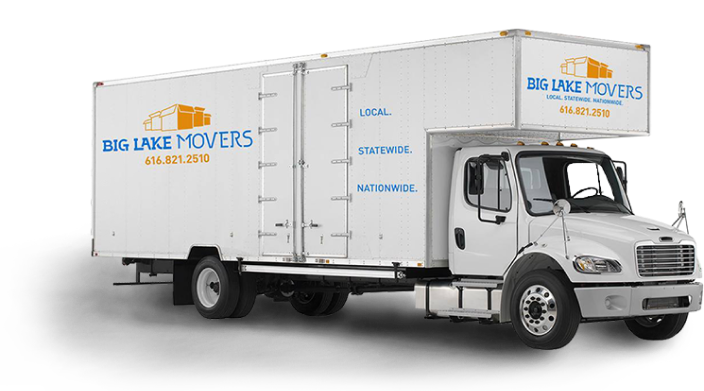
Need help packing and moving antique furniture in West Michigan? Big Lake Movers serves Grand Rapids, Holland, and Kalamazoo with residential moving, packing services, and moving labor. Contact us today to get a free quote.